
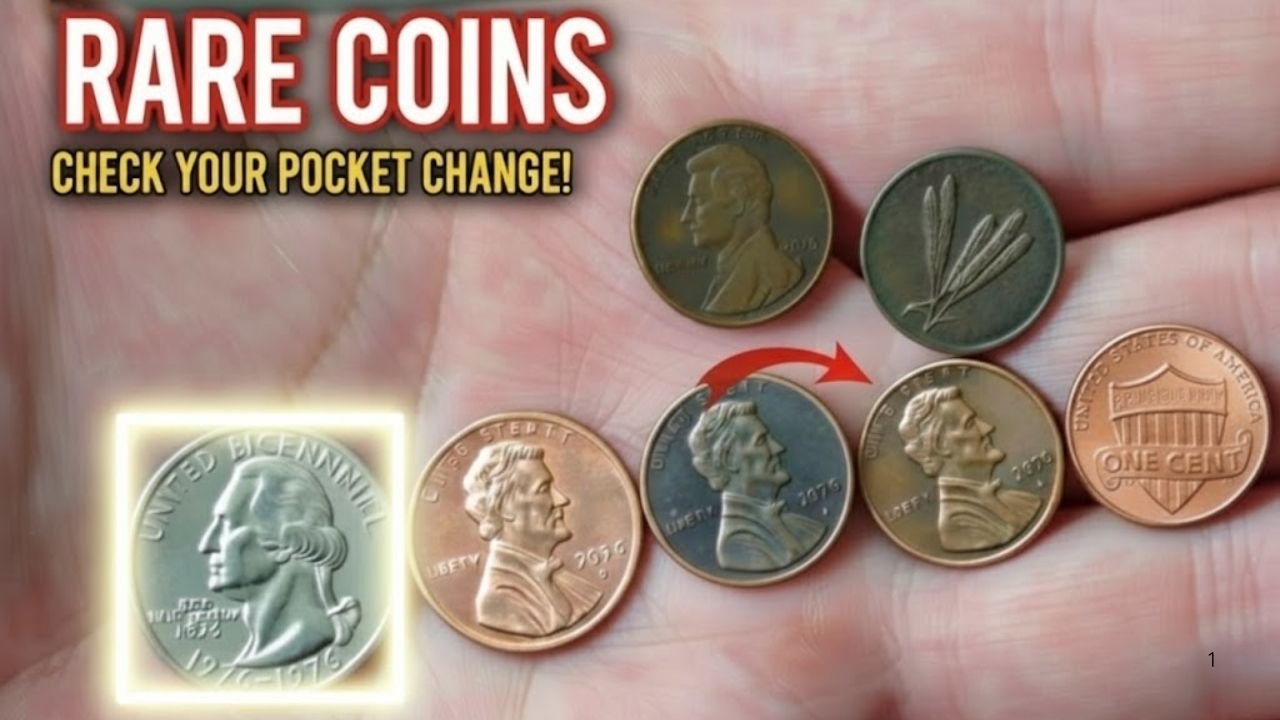
The Wheat Penny remains one of the most beloved and collectible U.S. coins ever minted. Between 2015 and 2025, its value has shown remarkable growth due to rising collector interest, increased auction activity, and strong demand for rare dates in high grades. Whether you’re a beginner or a seasoned numismatist, understanding these decade-long trends can help you spot valuable coins and make smart collecting decisions.
Why Wheat Penny Values Increased Between 2015 and 2025
Several key factors drove the steady rise in Wheat Penny prices:
Growing Collector Demand

More people entered the coin-collecting hobby, increasing competition for rare dates.
High-Grade Scarcity
Finding original Red (RD) Wheat Pennies in mint state is becoming increasingly rare, pushing prices higher.
Strong Auction Results
Key dates like the 1909-S VDB and 1914-D consistently set new records, strengthening market confidence.
Historical Appeal
Wheat Pennies represent an iconic chapter of U.S. coinage, which adds long-term investment value.
Certified Coin Premiums
Third-party graded coins (PCGS, NGC) continued to appreciate faster than raw ungraded coins.
Brief History of Wheat Pennies
Wheat Pennies were minted from 1909 to 1958 and carry major historical significance:
- Created to honor Abraham Lincoln’s 100th birthday
- Designed by Victor D. Brenner
- Minted in Philadelphia, Denver, and San Francisco
- 1943 steel cents produced due to wartime copper shortage
- Replaced by the Lincoln Memorial reverse in 1959
More than 110 years later, these coins still dominate the U.S. copper-coin collector market.
Value Trends: 2015–2025
Over this decade, price charts show steady appreciation across most grades and dates.
General Price Growth
- Circulated common dates increased from $0.10–$0.15 to $0.20–$0.35
- Uncirculated common dates grew from $1–$3 to $4–$10+
- Key rarities rose by hundreds or thousands of dollars
- MS65+ Red examples saw the strongest gains
Why the Increase?
- Rising demand for complete sets
- Limited remaining supply
- Higher premiums for naturally preserved red-toned copper
- Strong registry-set competition
Most Valuable Wheat Pennies (Consistently Rising 2015–2025)
These dates show the biggest long-term growth:
Key Rarities
- 1909-S VDB
- 1914-D
- 1922 No D
- 1931-S
- 1955 Double Die Obverse
Major Error Highlights
- 1943 Bronze Penny
- 1944 Steel Penny
These exceptional errors regularly sell for tens of thousands to over a million dollars in top grades.
Why Condition Matters So Much
Condition is the number one price driver in Wheat Penny values.
Important Condition Factors
- Sharp strike on Lincoln’s cheek and jaw
- Clear Wheat lines on the reverse
- Strong mintmark visibility
- Original luster and color (RD > RB > BN)
- Zero cleaning or scratch damage
Certified Grading Advantage
Graded coins (especially MS65 RD and above) perform far better in auctions and appreciate faster over time.
Collector and Investment Advantages
Wheat Pennies continue to attract all types of collectors because they offer:
- Affordable entry-level prices for beginners
- High-profit potential for rare dates
- A century of American history
- Strong liquidity and steady demand
- Excellent long-term stability compared to modern coins
Market Outlook Through 2025
Based on 10-year data, values are expected to remain strong through 2025, particularly for:
- Top-grade MS65–MS67 Red coins
- Rare key dates with low surviving populations
- Error varieties gaining rapid popularity
- Certified examples outperforming raw coins
The market shows no signs of slowing, making Wheat Pennies a reliable investment option.
FAQs
1. What is the most valuable Wheat Penny?
The 1943 Bronze and 1944 Steel error cents are among the highest-value examples, sometimes selling for over $1 million.
2. Do common Wheat Pennies have value?
Yes. Even circulated common dates usually sell for more than face value, especially in bulk.
3. Should I clean old pennies before selling?
No. Cleaning reduces value and can ruin a coin’s surface.
4. What grade is best for investment?
MS65+ Red (RD) coins show the strongest long-term growth.
5. How can I check if my penny is rare?
Look for key dates, strong mintmarks, and any unusual features or errors.
Conclusion
From 2015 to 2025, Wheat Pennies proved to be one of the most stable and rewarding segments of U.S. coin collecting. With rising demand, strong auction performance, and growing interest in high-grade examples, the market remains ideal for both collectors and investors. Whether you own a few old pennies or a full album, now is the perfect time to check your collection — you may have a valuable gem waiting to be discovered.