
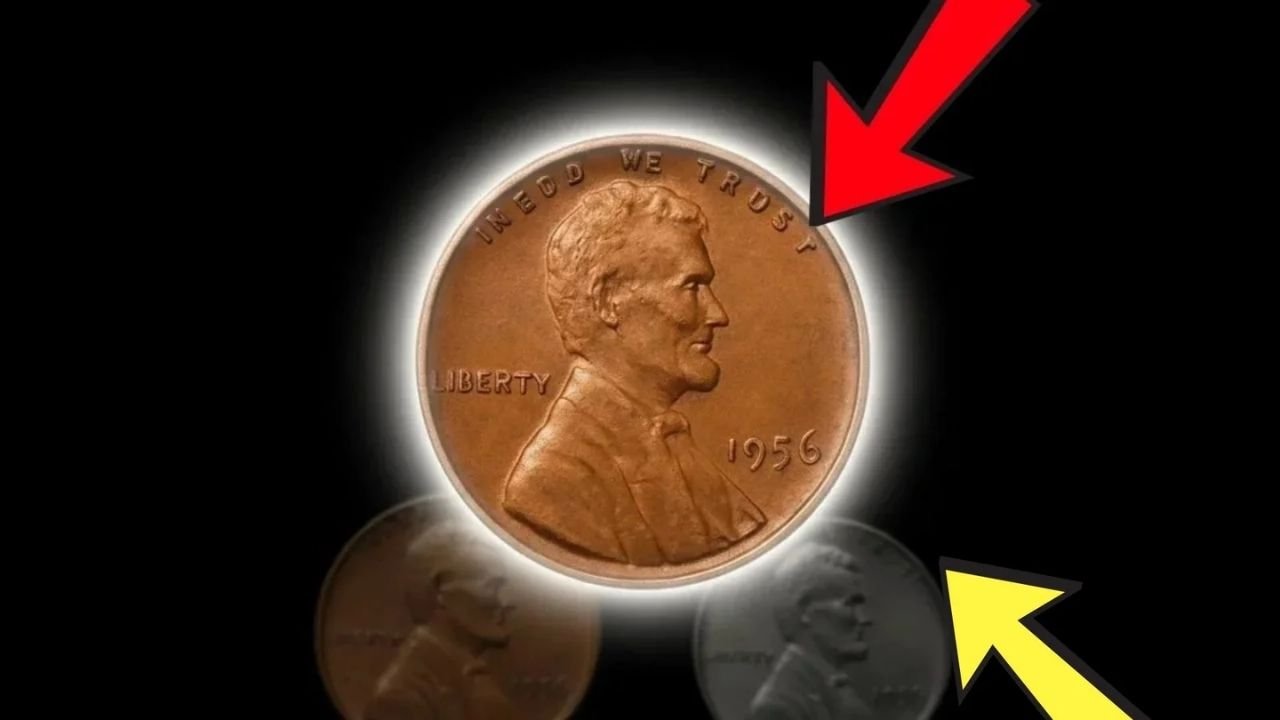
Imagine finding a dusty wheat penny from the 1940s in a forgotten jar of coins. That little cent could now be worth far more than its face value. Over the past decade, wheat penny value trends have turned these Lincoln icons into hot collectibles. Common coins rose from mere pocket change to dollars, while rare examples shattered records, fetching six-figure sums. Minted between 1909 and 1958, wheat pennies combine historical charm with investment potential, fueled by nostalgia, social media coin hunts, and a surge of young collectors. This guide explores the past ten years’ value trends, top coins to watch, and tips to make the most of your finds.
Why Wheat Pennies Are Valuable
Lincoln Wheat Cents debuted in 1909, celebrating Abraham Lincoln’s 100th birthday. Victor David Brenner’s portrait appears on the front, with wheat stalks on the reverse symbolizing prosperity. Their appeal comes from:
- Rarity: Low-mintage dates and minting errors attract collectors.
- Condition: Uncirculated “red” coins can sell for 10–50% more than worn examples.
- Collector demand: Online marketplaces, social media challenges, and global interest boost prices.
- Copper content: Rising metal value adds a small intrinsic floor.

Over the last ten years, common circulated pennies increased from 5–10 cents to 10–30 cents, while rare coins surged to thousands—or even hundreds of thousands—of dollars.
Key Factors Driving Value Over the Decade
- Condition matters: Coins graded MS-65 or higher can multiply in value tenfold.
- Rarity rules: San Francisco “S” mint coins typically outpace Philadelphia “no mint” examples due to lower mintage.
- Errors and quirks: Doubled dies, off-metal strikes, and WWII anomalies (like 1943 bronze pennies) have driven record auction sales.
- Digital access: Online auctions and social media fuel exposure, but authentication via PCGS or NGC is essential.
- Investment potential: Small starter sets from 2015 could double in value today, hedging against inflation.
Average Wheat Penny Values: 2015 vs. 2025
| Year / Mint | 2015 Avg (Circulated) | 2025 Avg (Circulated) | Notes |
|---|---|---|---|
| 1940s Common | $0.05 – $0.10 | $0.10 – $0.30 | Steady rise from scarcity |
| 1950s Common | $0.03 – $0.08 | $0.08 – $0.20 | Nostalgia boosts value |
| 1909 No Mint | $1.00 – $3.00 | $3.00 – $7.00 | Early Lincoln appeal |
| 1915 Philly | $0.50 – $2.00 | $2.00 – $5.00 | Collector influx in 2020s |
Uncirculated coins typically add 5–10x multipliers.
Top Wheat Pennies in Auctions
Rare examples dominate the spotlight:
- 1943-D Bronze: $840,000 (2021)
- 1943-S Bronze: $504,000 (2020)
- 1909-S VDB (MS67RD): $168,000 (2022)
- 1914-D (MS66+RD): $158,625 (2018)
- 1955 Doubled Die Obverse: Frequently exceeds $100,000
Condition, provenance, and minting quirks determine premium prices—always grade before selling.
Tips to Hunt, Grade, and Profit
- Scan coins carefully: Look for doubled dates, missing mint marks, and unusual colors.
- Avoid cleaning: Patina preserves value.
- Authenticate professionally: PCGS or NGC certification can multiply worth.
- Choose the right platform: Auctions for maximum exposure; dealers for quick cash.
- Track copper prices: Metal melt adds a baseline, though collector premiums dominate.
With an average annual growth of 5–7%, wheat pennies remain a low-cost, high-reward hobby.
Why Collectors Love Wheat Pennies
Wheat pennies are more than coins—they’re miniature history lessons. From Depression-era savings to wartime anomalies, they connect collectors to America’s past. Demand continues to rise as fewer coins remain in circulation, ensuring that even ordinary finds can become tomorrow’s headline sale.
FAQs
Q: What’s a common wheat penny worth today?
A: Circulated 1940s–50s coins are $0.10–$0.30.
Q: Which rare wheat pennies broke records recently?
A: 1943-D Bronze ($840,000) and 1909-S VDB ($168,000).
Q: Can values grow further?
A: Yes—expect 5–7% annual increases, especially for uncirculated coins.
Q: Can I melt pennies for copper profit?
A: No—illegal in the U.S.; collectible premiums exceed melt value.
Q: Beginner tip?
A: Focus on key dates and condition; always authenticate early.
Conclusion
Over the past decade, wheat pennies have evolved from overlooked cents to prized collectibles with real growth potential. From modest commons to record-breaking rarities, these coins prove history pays dividends. Dust off your jar, grade your finds, and dive into the hunt—your next treasure could be just one wheat stalk away.